When the future becomes unpredictable, and hospital corridors feel long and cold, home should be more than just a functional space for sleeping. It should be a sanctuary that belongs to you—a place where your heart can anchor, breathe, and rise again, a place that can keep you away from medical reports and cold, hard equipment.
Creating a cancer "healing corner" does not require a major renovation, nor does it require spending a lot of resources on luxury furniture. It is a mindful practice of environmental self-care. It is about intentionally arranging a small, personal space to tell yourself: "You are at home, you are safe, you are loved." Guided by our five senses, we can step by step build a healing paradise that belongs to you.
1. The Psychology of Soft Light
Light is the most powerful tool for changing a room's atmosphere. The harsh fluorescent lights commonly used in hospitals often trigger the "fight or flight" response in our nervous system, making us feel uncomfortable and uneasy. To create a healing atmosphere, try to use layered, warm amber light.
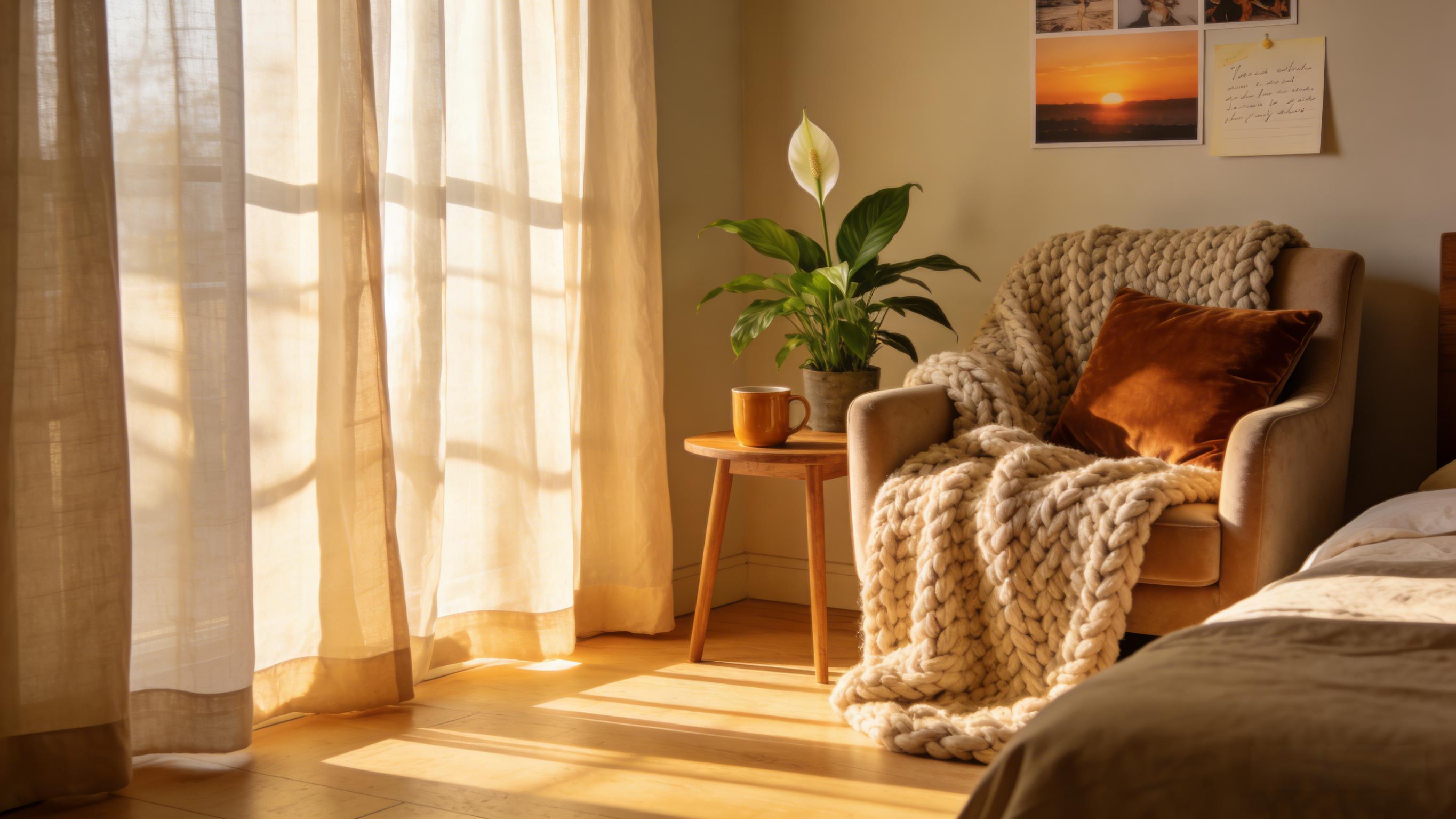
Try a small lamp with a warm hue, or string a strand of soft fairy lights on a bookshelf. During the daytime, let natural light guide you. Observing the轨迹 of sunlight slowly moving across the floor holds a profound vitality—it reminds us that time is passing, and every moment is a new beginning. If you are concerned about privacy, you can use sheer linen curtains to blur the hustle and bustle outside while allowing warm light to filter in.
2. Bringing Nature Indoors
We are biologically connected to nature. When people are confined indoors, bringing in elements of the earth can significantly lower stress hormones and enhance emotional resilience.
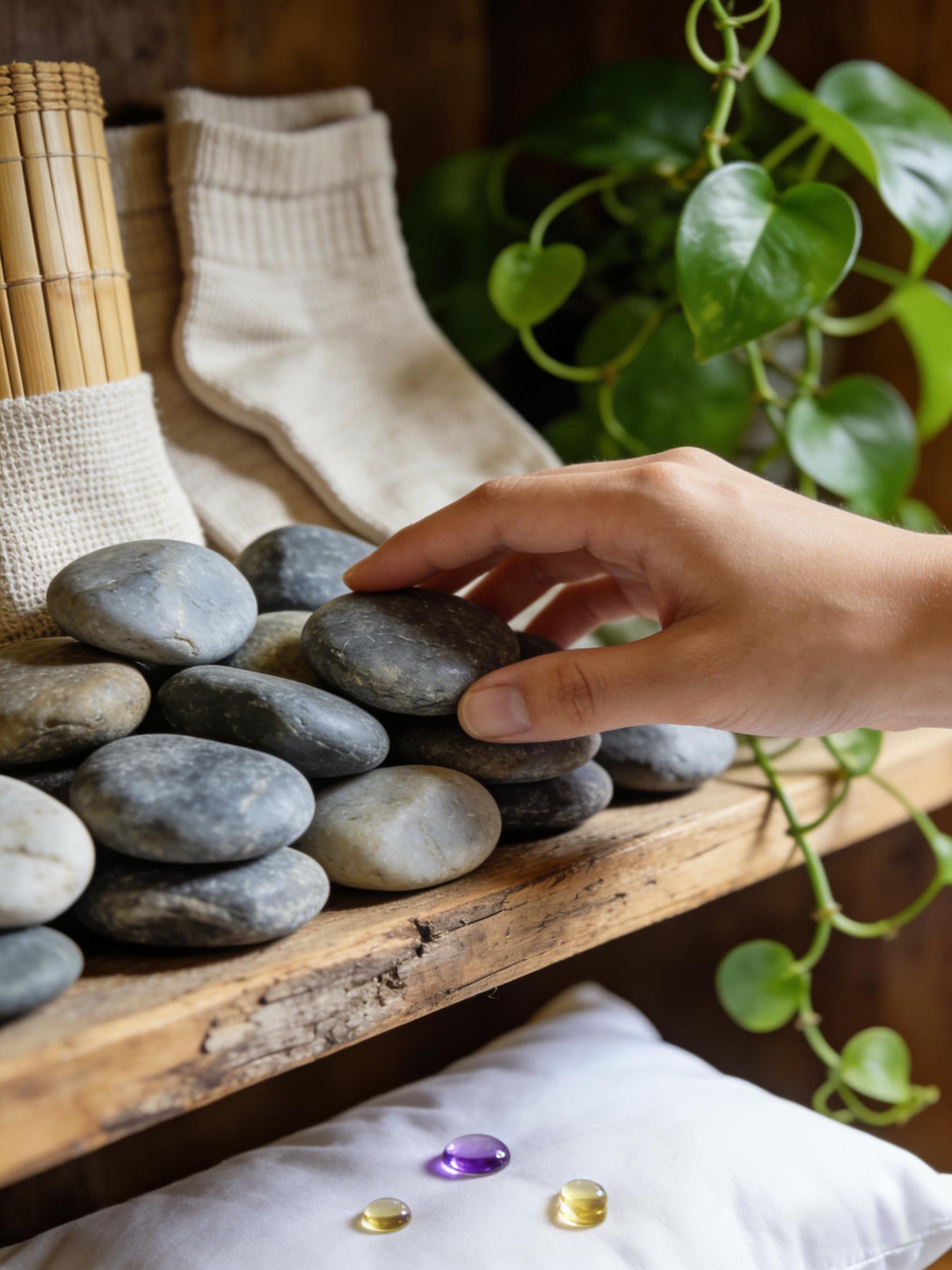
Therefore, you don't necessarily need a huge garden; just one pot of vibrant green plant (like a peace lily or pothos) can transform the stagnant energy of a room into vitality. If you find the occasional care of live plants to be a burden, even just a few seasonal wildflowers, or a small pile of smooth, cool pebbles, can allow you to feel a connection with the natural world through your fingertips. The goal of this is to remind yourself: even in the quietest corner, life is quietly blooming.
3. The Sensory Comfort of Touch
When the body is tired or in a period of recovery, our sense of touch can become exceptionally sensitive. On your healing days, every texture should feel like a gentle hug.
Replace those thin, rough sheets and invest in a chunky-knit thick blanket, a velvet cushion, or a pair of minimalist soft bamboo fiber socks. These are not just "decorations"; they are physical tools for regulating your emotions. When anxiety strikes, the simple act of running your fingers over soft, familiar fabric can send a signal to your brain: you are in a safe, comfortable environment. Ensure your favorite comfort items are always within reach of your designated "resting chair."
4. Scent is the Gateway to Calm
The sense of smell is the only sense directly connected to the emotional processing center of the brain, which means scent can be the "fast lane" to relaxation.
Avoid synthetic air fresheners that might cause headaches. Instead, choose gentle, natural aromas. A drop of lavender essential oil on a cool pillowcase can aid sleep, while the scent of a cup of hot herbal tea or a faint hint of vanilla can evoke a sense of security. Choose a scent that can trigger your "happy memories"—perhaps it's the smell of pine wood reminding you of a forest walk, or the refreshing scent of citrus.
5. Curate Your "Happy View"
Try sitting in your favorite spot and looking around the room. What is within your direct line of sight? If it's piles of medical documents, appointment reminders, or cluttered shelves, your brain will be constantly reminded of being "sick." You should move medical clutter out of sight and replace it with a carefully arranged "gallery of hope":
- A photo of your favorite sunset or a calm beach.
- A postcard handwritten by a close friend that once made you laugh out loud.
- A gentle book of poetry or a colorful art book.
Your healing corner is a "medical-free zone." In this space, you are not a patient, nor a caregiver. You are simply a life, surrounded by beauty, memory, and peace.