I’ve sat beside hundreds of cancer patients over the past decade, holding a water cup while they stare at it, too nauseated to take even one small sip. Chemo and radiation nausea isn’t just a “little upset stomach”—it’s a constant, draining feeling that steals your appetite, your energy, and even the small joy of a warm meal. We all know ginger is a go-to for nausea, but so many of you have reached out to say it’s too spicy, or just doesn’t work for your sensitive gut—and that’s why I want to talk about the quiet, gentle things you already have in your kitchen.
I’m Nicolas, an oncology nutritionist who spent six years working directly with patients at Memorial Sloan Kettering, and I run a small support group called Root & Nourish for patients and caregivers navigating eating during treatment. Everything I share here isn’t just textbook knowledge—it’s tested with real patients, tweaked for tender digestive systems, and built around the core of Cancer Patient Nutrition: nourish gently, don’t force, and prioritize comfort above all else.
Let’s start with peppermint. Not the overpowering candy mint, not the strong extract—fresh, soft peppermint leaves, the kind you might grow in a windowsill or pick up at the grocery store. I had a lung cancer patient a few months ago who couldn’t keep down any anti-nausea tea, until we tried just sniffing a handful of fresh mint. The cool, light scent calmed the constant queasiness enough for her to sip a few tablespoons of warm rice porridge, one of the most gentle Easy-to-Digest Meals for treatment days. You don’t need to brew a strong cup; even a small sprig near your plate or pillow works wonders.
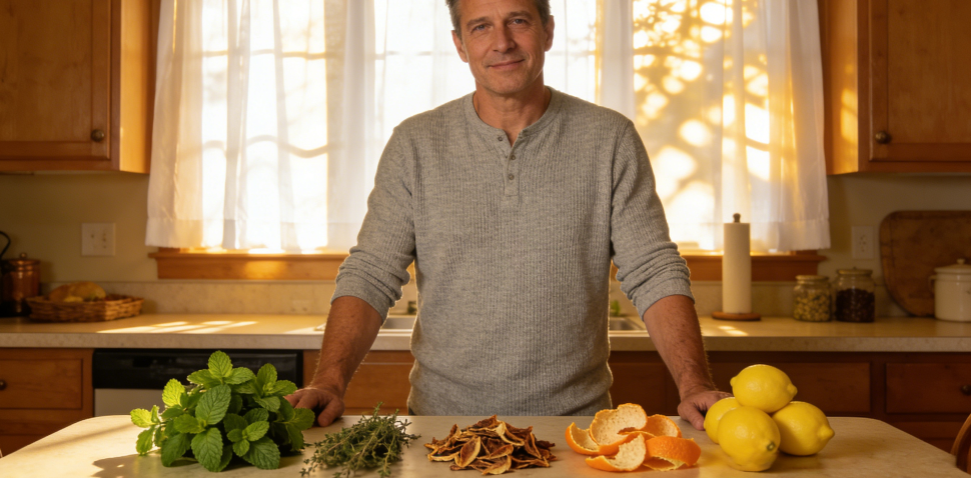
Next up: dried tangerine peel, or chen pi. I first learned about its gentle stomach-calming effects from a colleague who integrates Chinese food-as-medicine with Western oncology nutrition, and it’s been a game-changer for so many patients. Fresh citrus can be too acidic for raw, irritated stomachs, but aged dried tangerine peel is mild, warm, and helps settle that bubbly, nauseous feeling without any sting. I tell patients to steep a tiny piece in lukewarm water—no sugar, no extra flavors—and sip it slowly. It pairs so well with plain crackers or congee, the ultimate Comfort Food for Cancer when nothing else feels tolerable.
And don’t sleep on plain fresh lemon. It’s not about the juice (too much acid is a no-go here), it’s all about the scent. So many patients tell me heavy, bland smells make nausea worse; a thin slice of lemon tucked near your bed or on your nightstand can cut through that dull, sickly feeling. I even have patients who keep a small jar of lemon slices in the fridge to sniff when nausea hits out of nowhere. If you tolerate a tiny bit of flavor, squeeze one drop of juice into warm water—just enough to brighten it, not enough to irritate.
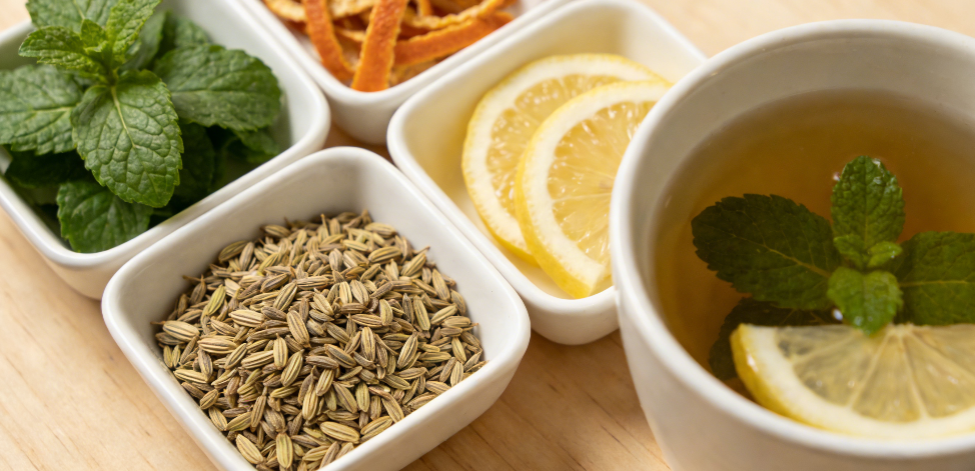
Last but so underrated: fennel seeds. I keep a jar of lightly roasted fennel seeds in my home herb garden (I have a small patch in my New Jersey backyard, just for patient recipes and tips) and pass them out to patients all the time. A 2-3 seeds, chewed slowly, that’s it. No tea, no fuss. Last year, a breast cancer patient named Clara had been struggling with non-stop nausea for three weeks after chemo; she started keeping the seeds in her purse, and within a day, she could eat a small bowl of oatmeal. That’s the magic of these small ingredients—they don’t need to be fancy to provide real Nutritional Support During Cancer Treatment.
A quick, non-negotiable note: these are not replacements for the prescription meds your oncology team gives you. Always check with your doctor or dietitian before trying anything new, especially if you have other digestive issues. Start with tiny, tiny amounts—no overdoing it, because sensitive tummies need patience.
I think sometimes we get so caught up in “getting enough nutrition” that we forget how scary and exhausting it is to eat when you’re constantly nauseated. Cancer Patient Nutrition isn’t about perfection—it’s about small wins: one sip of warm tea, one cracker, one moment where the nausea fades just a little.
These kitchen ingredients are more than just remedies. They’re a way to care for yourself without leaving home, a small comfort on hard days, a reminder that you’re not alone in this. If you’ve tried any of these, or have a little hack that helped you, please drop it in the comments. We learn from each other, always.