"Cancer chemotherapy" terrifies you, but do you understand the real reason why?
Every cancer patient who has undergone chemotherapy might have experienced this "panic": the moment before getting the blood test results, your hands and feet turn cold.
I remember the Monday after my third major chemo session. The white blood cell count on the report was only 1.8. The doctor frowned and said, "That's too low. You'll need a G-CSF injection, and this week's treatment cycle might have to be postponed."
At that moment, it felt like the sky was falling. I sat on a bench in the hospital hallway like a lifeless body, staring at that thin piece of paper, feeling it weigh on me like a mountain, making it hard to breathe. Stopping treatment meant interrupting the fight; getting the injection meant another round of excruciating bone pain. Returning home, looking at my pale, weak self in the mirror, that sense of defeat was even more despairing than the nausea from chemo.
It was then that I accidentally came across a dietary method circulating among patient communities that claimed to help improve white blood cell counts. Initially, I didn't believe that diet could change any of this! But I just wanted to survive. So, I began researching that legendary "life-saving soup" known among patients – the Five-Red Soup. At first, I was skeptical. Could just a few simple ingredients really counter the ravages of chemotherapy? But after persistently drinking it for two months and seeing my white blood cells steadily rise, I understood: this is more than just a bowl of soup; it's the love of family, and also a signal for my body to reboot.
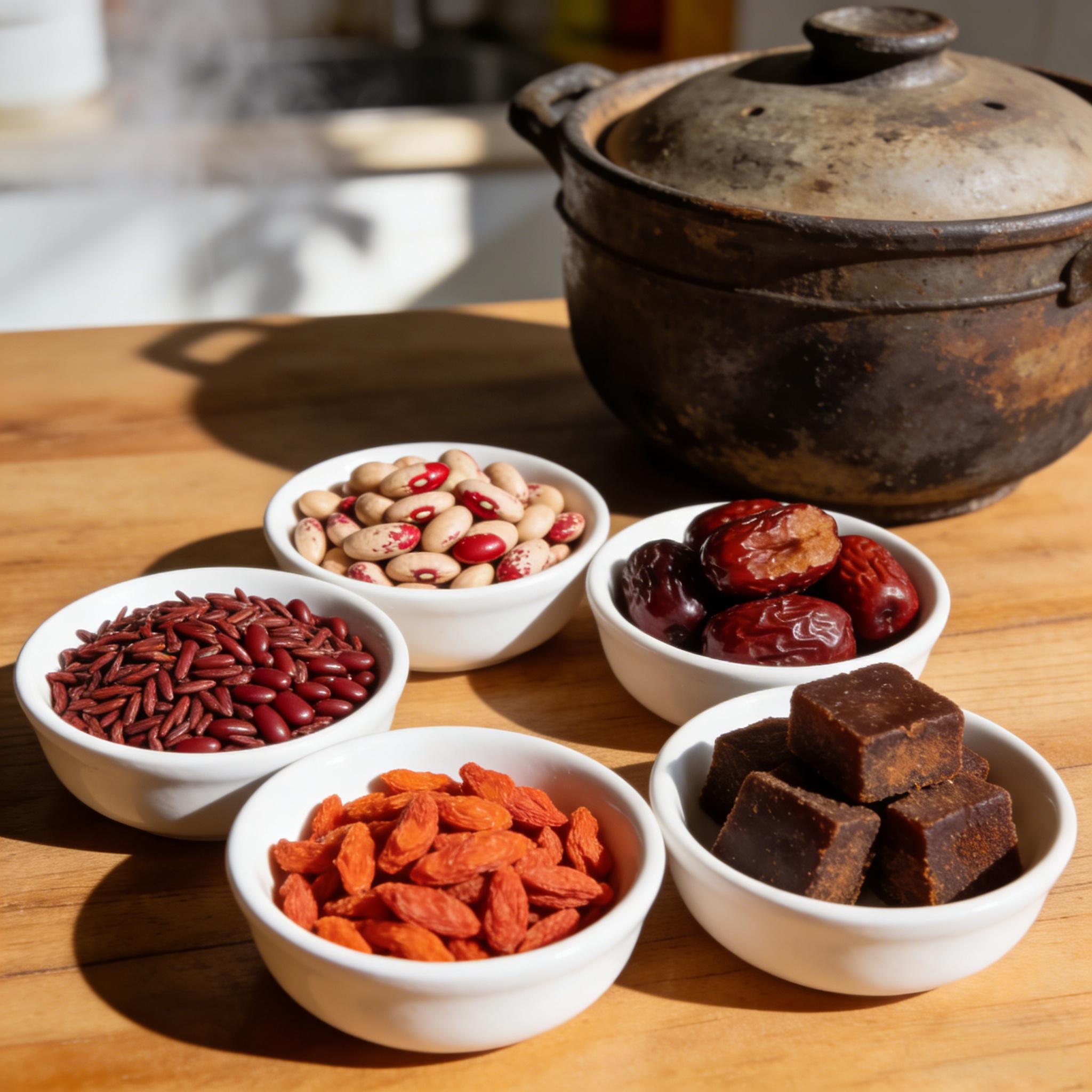
Many patients say it doesn't work, but I decided to try it anyway because I knew that only by trying would I know the result. Besides, if drinking it yields no effect, it's often because the wrong ingredients were chosen, or the cooking method was incorrect. This soup's principle is about "tonifying Qi and nourishing Yin, using both methods simultaneously."
My Private Recipe (Single Serving):
- Red Beans (Chi Xiao Dou / Adzuki Beans): 20g. Be sure to choose the slender, long variety of adzuki beans; they are better for draining dampness and reducing swelling.
- Red Dates (Jujubes): 5-7 pieces. It's recommended to remove the pits to prevent causing internal heat or dryness.
- Goji Berries (Wolfberries): A small handful (about 10g). Add them only in the last 10 minutes to avoid high temperatures destroying the nutrients.
- Red Peanuts: 20g. Key point: They MUST have the thin red skin on! That skin is the essence for raising white blood cells.
- Brown Sugar (Traditionally Made): 1 piece. Do not use the packaged, refined "red sugar" (which is often just colored white sugar). Use real brown sugar made by boiling sugarcane juice.
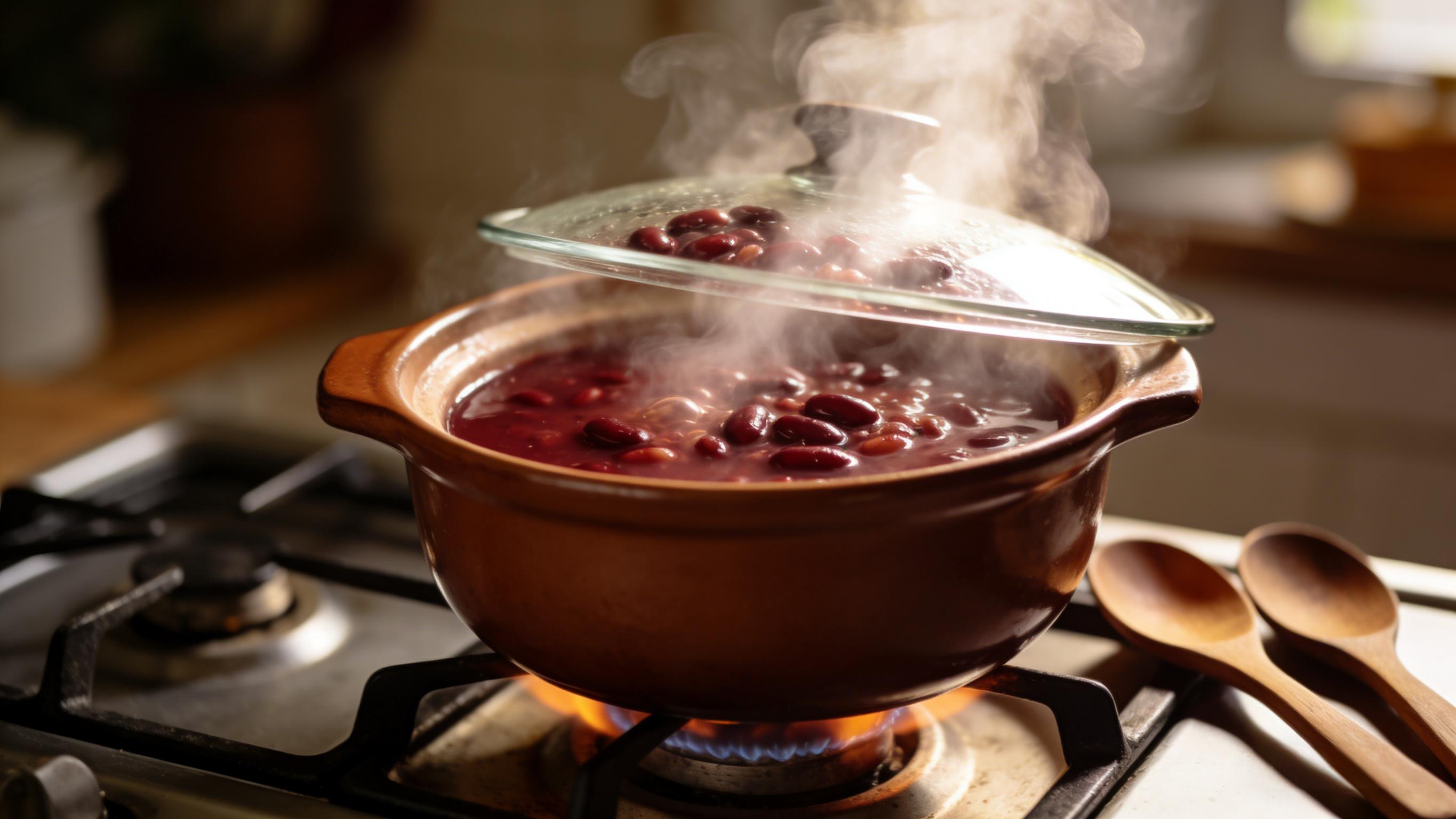
Heat Control is the Most Important Factor: Cooking Details
My husband prepared this soup for me for an entire year. The lesson he summarized is: controlling the heat is like showing reverence for life.
- Soaking is Crucial: The red beans and red-skinned peanuts are hard. They need to be soaked for at least 4 hours in advance. My husband usually soaks them the night before. This way, the soup brewed the next day is rich and flavorful, and the ingredients are soft and sticky – very friendly for patients like us with fragile digestive systems post-chemo.
- Slow Simmer in a Clay Pot: Try to avoid using stainless steel pots. Use a clay pot (or earthenware casserole). Add enough water, bring to a boil over high heat, then turn down to low heat and simmer slowly for 1 hour. Simmer until the red beans have bloomed (split open), and the color from the peanut skins has blended into the soup, giving the entire pot a deep, dark jujube-red color.
- Specific Drinking Method: Don't wait for it to cool down. Drink it while it's warm, sipping it slowly, letting the warmth slide from your throat all the way to your stomach. If your appetite is poor during chemotherapy, you can just drink the soup without eating the solids. But if you can manage to chew and swallow the peanuts and beans, the effect will be even better.
A Heartfelt Message for Family Members: Don't Be "Too Forceful" at the Table
As a patient, I deeply understand the anxiety of family members. Seeing our white blood cells drop, you wish you could stuff every tonic and supplement into our mouths.
But I want to say: Please allow us to be occasionally "uncooperative."
There were times when the mere smell of the Five-Red Soup made me want to vomit. My husband didn't force me. He simply and quietly kept the bowl warm on the stove, and when I felt a little better, he'd gently ask, "Would you like a couple of sips to moisten your throat?"
Caring for a cancer patient, the hardest part isn't brewing the soup; it's enduring the emotional toll. Your calmness and peace are the best medicine for raising our white blood cells.
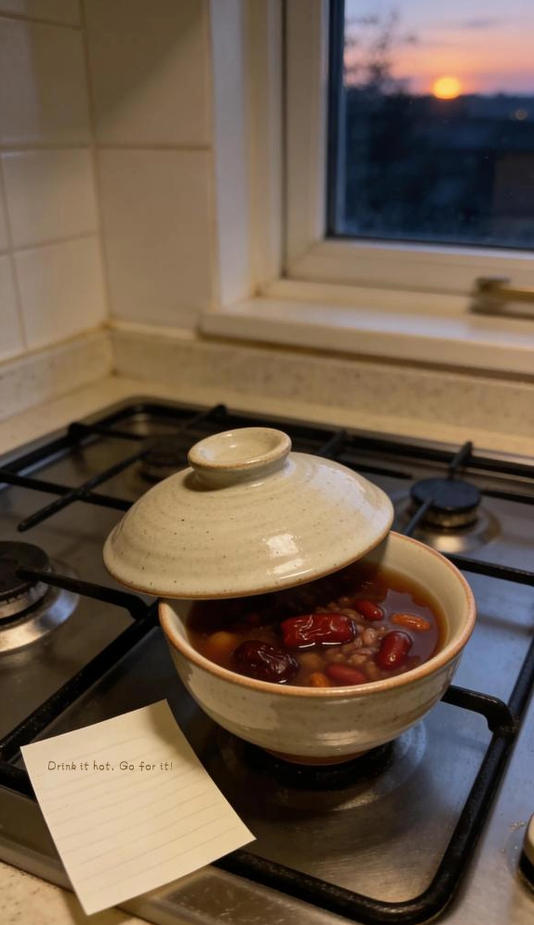
Finally, to you who are fighting cancer right now
This bowl of Five-Red Soup cannot replace modern medical treatment. It is a form of "support," and even more so, a kind of "ritual."
Whenever I lift this warm bowl and look at the sunlight outside the window, I tell myself: Inside my body, countless soldiers (white blood cells) are regrouping. Even if it only goes up by 0.1 today, that is still a victory.
If you are currently facing a "white blood cell crisis," don't be afraid. Go to the kitchen, wash a handful of red beans, soak a handful of peanuts, and brew a pot of hope for yourself.
Friends, what is the most effective dietary therapy you've tried during chemotherapy to raise your white blood cells? Or is there a particular dish your family member made for you that brought tears to your eyes? Feel free to share and chat. Your experience could be the motivation someone else needs to persevere.
Friendly Reminder: This article is only a sharing of personal experience and not a substitute for medical advice. Everyone's constitution is different. If you experience a severe drop in white blood cells, please be sure to follow medical advice for clinical treatment.