In the Latino community in Texas, I’ve seen too many lonely cancer fighters—language barriers, cultural gaps, but their courage, never absent.
Dear friends, querido, let’s be real. The hardest part of having cancer, for so many of us, isn’t the chemo, isn’t the tiredness. It’s looking at our kids’ faces and wondering—how do I tell them? How do I say "Mommy is sick" without breaking their little hearts?
I’ve been there. I’ve sat with mamas in the community center, holding their hands, their voices shaking. One mama told me she hid her hair loss with a scarf, lied to her 6-year-old that she was "trying a new style"—until the kid found her wig on the bed and cried, thinking she was leaving him. Another papa said he told his 14-year-old he was "going on a long business trip"—the kid didn’t talk to him for weeks after finding out the truth. Hurt, confusion, betrayal. That’s what lies do, mi vida. Worse than the truth, even when it’s hard.
I decided then, I had to do something. I thought, maybe a one-size-fits-all script? But no. Wait, a 5-year-old and a 15-year-old—they don’t understand the same things. A 5-year-old cares if you can still hug them. A 15-year-old cares if their life will change, if you’ll be okay. And in our Latino families? So many abuelos say "don’t tell the kids, protect them"—we have to talk to them first, explain why honesty is kinder. That was the challenge, you know? I felt stuck, like there was no right answer.
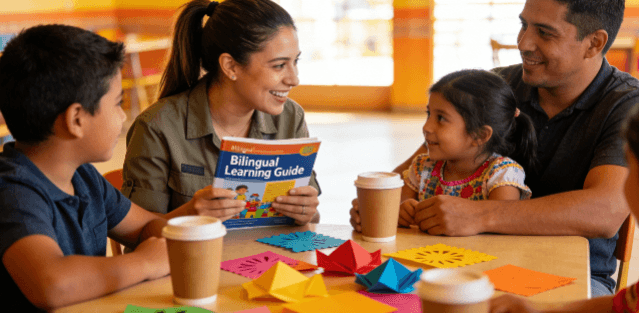
I was sitting at the table, trying to write down tips, when—wait, the printer jammed. Typical, right? The volunteer next to me, Maria, handed me a cup of coffee, and it spilled a little on the paper. We laughed, wiped it up, and suddenly, I had an idea. Ask the community. Ask the parents who’ve been through it. Ask the child psychologist we work with. Slowly, we collected stories—dozens of them. And we found three rules: honest, age-appropriate, safe. That’s it. We made bilingual manuals, too—Spanish and English, so no one feels left out.
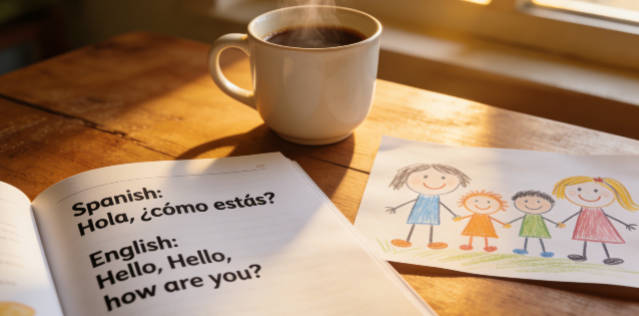
Let me share what we learned—simple, no fancy words, just what works.
For toddlers, 3 to 6 years old. Don’t use big words. Don’t say "cancer." Say, "Mommy’s body has some bad cells. The doctors are helping me fight them, just like when you fight a cold." That’s it. They don’t need more. And hug them. A lot. Because what they fear most is losing you. One mama tried this—her 4-year-old hugged her and said, "I’ll help you fight, Mommy." Broke my heart, in the best way. Oh, and one thing: don’t lie. "Mommy is going away for a while"—they’ll think you’re abandoning them. I’ve seen it. The look in their eyes? Like their world is falling apart. Worse than any honest talk.
For school-age kids, 7 to 12. They’re smarter than we think. Tell them a little more. "I have a sickness called cancer. I’ll go to the doctor a lot, I might lose my hair, but that’s just the medicine working. I’ll still be here for your soccer games, your homework, your bedtime stories." Be honest about the changes—hair loss, tiredness. They notice everything. If you don’t explain, they’ll make up their own stories, and those are scarier. One papa told his 10-year-old about his chemo, and the kid started making him "get well" cards every week. Small, but powerful.
For teens, 13 and up. Talk to them like adults. Be honest about the hard parts—treatment, side effects, even the possibility of things getting worse. They hate being treated like kids, especially now. Ask them how they feel. Listen. Don’t force them to be strong. One 15-year-old girl told me, "I just wanted my mom to say she’s scared, too. I didn’t want her to pretend everything is okay." So let them see your vulnerability, mi vida. It’s okay to cry in front of them. It teaches them it’s okay to feel.
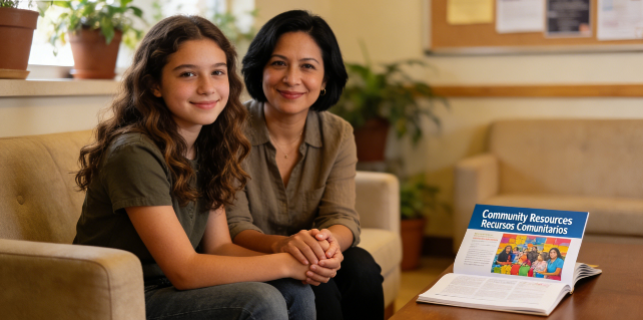
And remember—cultural differences matter. In our Latino families, abuelos might disagree. They might say "hide it from the kids, it’s bad luck." Talk to them. Explain that hiding the truth hurts more. I sat with an abuela once, held her hand, told her about a little boy who thought his mama was mad at him because she didn’t hug him as much. The abuela cried, said she didn’t realize. Then she helped her daughter talk to the boy. That’s the power of our community—we help each other.
Another thing—don’t force your kids to talk. If they don’t want to say anything right away, that’s okay. Give them space. Bring them to our community events—let them play with other kids whose parents have cancer. Let them see they’re not alone. I’ve seen kids open up after playing together, sharing their feelings without even trying. It’s beautiful.
I’ve been doing this for years now. Helped dozens of families have that hard conversation. And you know what I’ve learned? Kids are stronger than we give them credit for. They don’t need perfection. They need honesty. They need to know you love them, no matter what. And they need to know they’re not alone in this.
No matter what language you speak, the determination to fight cancer is universal. That’s our mantra, right? And it’s true—whether we speak Spanish, English, or a little of both, we’re all fighting the same fight. We’re all trying to protect our kids, to love them, to get better.
Join our mutual aid network—here, you won’t be alone. We’ll fight cancer together, querido.
Our bilingual support line is 555-123-4567—call anytime, day or night. We have translators, we have other parents who’ve been there, we have the manuals ready for you. I was handing a manual to a new mama yesterday, watching her flip through the pages, tears in her eyes but a smile on her face. I was about to sit down, to take a breath—my feet were so sore, from standing all day handing out manuals—and then I saw her abuela walking over, asking for an English copy. Querido, I grabbed another manual, handed it to her, and thought—this is why we do this. This is the work.