Cancer is not only about winning back health, but also about protecting our home—every penny must be spent wisely.
Listen, folks. For 5 years, I’ve been taking care of my wife with colorectal cancer. Piles of medical bills, insurance claims forms, calculators—they’re my daily companions. Lately, more and more patients and their families have been asking me, “Is CAR-T worth it?”
I get it. So many of you are curious about CAR-T and TIL, these new immunocell therapies. But the cost—millions of dollars—and the complicated medical insurance policies. You don’t know if it’s right for you, but you’re scared of losing everything. Stuck between “wanting to try” and “afraid of being scammed.” That’s the pain, isn’t it?
Chemotherapy once, almost took half our savings. I know how heavy that weight feels. So I decided to break this down—with my experience as an insurance claims adjuster. To make it clear, no fluff.
First, the numbers. 2026 data, I checked it myself. Domestic CAR-T pricing, around 1.2 million RMB per treatment. Wait, that’s just the drug cost? Oh no, patients can’t afford that. I stared at the bill for an hour, eyes blurred, neck stiff. Couldn’t believe it.
I was sorting through the cost details, coffee spilled on the bill—stain spread, just like the panic in those families. Wiped it off, kept going. Smart cancer fighting means spending every penny wisely.
The challenge? So many people think, “If it’s covered by medical insurance, it’s fully reimbursed.” Wrong. So wrong. Even though some CAR-T products were included in the Class B catalog after medical insurance negotiations, the out-of-pocket ratio is still 60-80%. 1.2 million drug cost, you pay 720,000 to 960,000 yourself. Plus hospitalization and complication treatment—200,000 to 300,000 RMB. Follow-up monitoring, 100,000 RMB a year. That’s a fortune.
Wait, phone’s ringing. It’s the insurance company. Let me take this quick. Alright, back. That call, it helped. Made me realize—people need a clear way to calculate this.
So I made something: the “Immunocell Therapy Cost Quadrant.” Four parts: drug costs, hospitalization costs, complication treatment costs, follow-up monitoring costs. Wrote it all down in my notebook, checked it twice with the calculator.
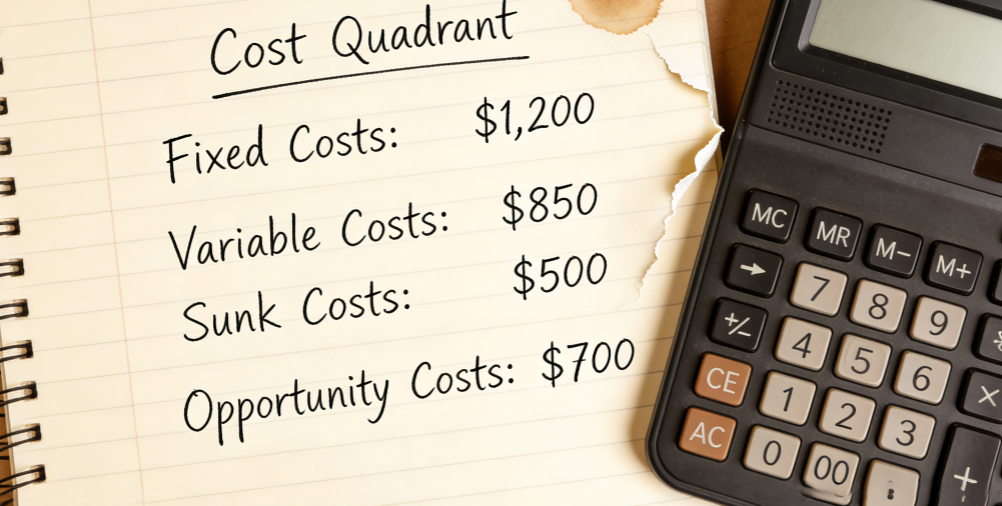
Then TIL therapy. Different from CAR-T. Mostly in clinical trials now. Cost? 800,000 to 1.5 million RMB. Medical insurance coverage? Even less. Almost fully out of pocket. And the US TIL product, priced at 515,000 US dollars, about 3.7 million RMB—ridiculous.
I remembered a patient, last year. He almost sold his house for CAR-T. Chest tight, like a stone on it, when he told me. I showed him my cost quadrant, my insurance analysis. He realized he wasn’t a good fit—his condition didn’t require CAR-T, and the cost would ruin his family. He chose a more affordable treatment. Now, he’s doing well, and his home is still there.
Smart cancer fighting means spending every penny wisely. That’s not just a saying—it’s how we survive this.
Let me share the key money-saving tips, plain and simple:
- Check your insurance policy first. Look for CAR-T coverage—many commercial health insurances now include it after the 2026 commercial insurance innovative drug catalog was released. Some can reduce out-of-pocket costs to 100,000 to 200,000 RMB.
- Use the cost quadrant to calculate total expenses. Don’t just look at the drug cost—hospitalization and follow-up add up fast.
- Don’t fall for scams. First, those “free clinical trial” ads? Fake, most of them. Legitimate trials have strict entry criteria and require informed consent. I heard about a case in China—someone scammed cancer families with “trial fees”

Second, “overseas medical treatment that cures everything” intermediaries. Their costs are opaque, and it’s hard to claim rights later. Not worth the risk.
Calculator died, just now. Changed the battery, kept going. That’s what we do, right? Keep going, keep calculating, keep protecting our families.
I also made an “eligibility self-test list” for these therapies. It helps you figure out if CAR-T or TIL is right for you—no guesswork. Saves you time, saves you money.
To be honest, immunocell therapy is a “precision investment,” not a “must-have.” It’s not for everyone. You don’t have to spend millions to fight cancer. Rational planning is the key.
Now, I can help families figure out “should we choose it” clearly. No more confusion, no more panic. That’s why I do this—after 5 years of caring for my wife, after hundreds of insurance claims, I know how to protect both health and home.
I just finished sending the insurance policy interpretation to a patient. Stared at the “sent” prompt, reached for my coffee. Wait, the cost quadrant I printed out—forgot to mark the out-of-pocket ratio for her. Gotta do that now, before I forget.