I’ve sat in exam rooms and support group circles with hundreds of cancer patients, and if there’s one side effect of chemo that makes people tear up more than nausea or fatigue, it’s that unshakable metallic taste. The kind that coats your tongue no matter how much water you drink, that turns a bite of warm applesauce into something that tastes like you’ve been chewing on a tin can, that makes even a sip of your favorite herbal tea feel like a punishment. I met Mara at MD Anderson a few years back — a 48-year-old breast cancer patient who told me she’d stopped eating most days because the metal taste was so bad she’d rather go hungry than endure it. That’s the reality of Cancer Patient Nutrition during treatment: it’s not just about calories or vitamins, it’s about making food feel like food again, not a chore.
If you’re living with this right now, I need you to know: this isn’t a flaw in you, and it doesn’t mean you’re “failing” at eating. Chemo messes with the taste buds and saliva glands in ways we still don’t fully understand, and that metallic aftertaste is one of the cruellest little side effects because it robs you of one of the small joys left during treatment. Proper Nutritional Support During Cancer Treatment can’t happen if you can’t stand to put anything in your mouth, so these aren’t fancy, complicated tricks — they’re small, doable shifts I’ve tested with patients over and over, the ones that actually move the needle without draining your already limited energy.

First off, let’s start with the simplest fix — the one I hand out on a little card to every patient I work with, because it’s so gentle and works for nearly everyone. Reach for mild acidic fresh ingredients to cut through that metal coating: a thin slice of lemon in your water (not too much, we don’t want to irritate a sore mouth), a sprinkle of fresh mint from my backyard herb garden (I grow it just for this reason), or a tiny splash of unsweetened lemon juice on soft foods like mashed potatoes or yogurt. Acid balances the metallic taste without being harsh, and it brings back a faint, natural flavor that makes Easy-to-Digest Meals feel bearable again. No need for fancy recipes, just a tiny splash or a slice — that’s it.
Another shift that makes a shockingly big difference is something most people never even think about: your utensils. I had a patient once who told me she’d tried everything, and the second she swapped her metal silverware for a wooden spoon and plastic bowl, the metal taste faded almost instantly. Metal utensils react with the chemo-related changes in your saliva, amplifying that tinny taste tenfold. Stick to BPA-free plastic, wooden, or silicone bowls, spoons, and forks — it’s a zero-effort change, but it’s one of the most effective I’ve seen in my 10 years in oncology nutrition.
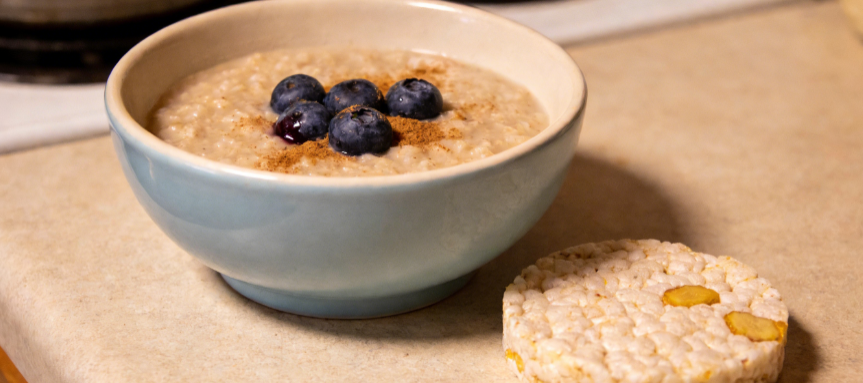
Here’s another one that flies under the radar, but it changed everything for Mara: adjust the temperature of your food. Hot foods, warm soups, even lukewarm oatmeal tend to crank up that metallic taste to an unbearable level. Cold or room-temperature foods? They dull that harsh flavor almost completely. I tell patients to skip the heated meals and go for cold yogurt, chilled applesauce, room-temperature soft bread, or cold smoothies — these Comfort Food for Cancer options are gentle on the stomach, easy to digest, and don’t set off that awful metal taste. It’s not about what’s “nutritionally ideal” in a textbook; it’s about what you can actually eat without cringing.
I also tell patients to steer clear of the foods that amp up that metallic taste — this isn’t about restricting, it’s about smart swaps. Red meat, canned goods, and high-iron veggies tend to make the taste way worse, so swap red meat for soft-scrambled eggs or plain Greek yogurt, skip canned soups for fresh, mild homemade broth, and skip iron-heavy greens for softer veggies like cooked carrots or squash. Small swaps, not big overhauls — you don’t need to overhaul your entire diet, just avoid the triggers that make the taste unbearable.
Last but never least, a tiny oral care habit that calms the taste buds between bites. Forget strong, minty mouthwashes that burn sensitive mouths — rinse your mouth with a little warm salt water or lemon water after every few bites. It clears away the metallic residue on your tongue without irritation, so each new bite doesn’t taste like the last. I keep little travel-sized cups of this rinse in my clinic for patients, and it’s the small, quiet win that makes them smile when nothing else does.
I want to leave you with this: some days these tips will work perfectly, and some days the metal taste will still linger no matter what you do. That’s okay. You don’t have to eat a full meal, and you don’t have to push through if it hurts. Cancer Patient Nutrition during chemo is about small wins: one bite that tastes normal, one sip that doesn’t feel like punishment, one moment where food feels like comfort again. That’s enough.

You’re not alone in this. Every time you struggle to take a bite, every time you feel frustrated by this silly, cruel side effect, there’s a whole community here that gets it. My Nourish Through Cancer support group meets weekly online, and the CancerFoe comments are always open for questions or just to vent. We’re all in this together, one gentle bite at a time.