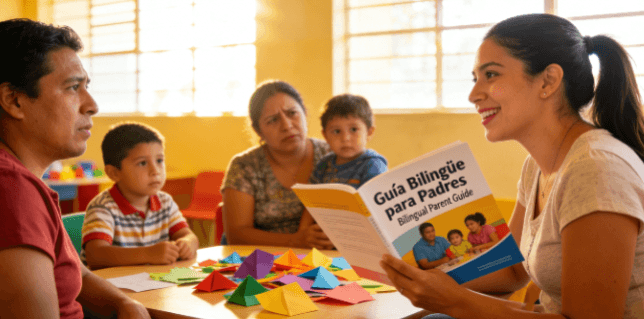
In the Latino community in Texas, I’ve seen too many lonely cancer fighters—language barriers, cultural gaps, but their courage, never absent.
Dear friends, querido, let’s be real. The hardest part of having cancer, for so many of us parents, isn’t the chemo, isn’t the tiredness, isn’t the hair loss.
It’s looking at our kids’ faces and wondering: How do I tell them? How do I say “Mommy is sick” without breaking their little hearts? I’ve met so many parents in our mutual aid group—some hid their illness until their hair fell out, and their kids cried, confused, scared, thinking something terrible had happened. Others lied, said “Mommy has to go on a long business trip,” only to have their kids feel abandoned, asking every day when Mommy would come home.
That’s why I decided to put together something—something real, something that works for our families, our culture.
At first, I tried one set of words for everyone. Stupid, I know. A 5-year-old and a 15-year-old? They don’t understand the same thing. A 5-year-old hears “cancer” and thinks monsters. A 15-year-old hears “cancer” and thinks death, thinks losing their parent, thinks their whole world falling apart.
And in our Latino families? Oh, mi vida, we love our kids so much, we want to protect them from every hurt. Some abuelitos even get mad—“Why tell the kids? They’re too young!” It’s hard, so hard. I thought, maybe there’s no perfect answer. Maybe I can’t help everyone.
Wait, I was sitting at the community center, making copies of a draft manual, when the printer jammed. Ugh, I sighed, rubbing my hands—they’re rough, full of calluses from passing out flyers, holding hands with scared parents, folding bilingual brochures. Then Maria, one of our volunteers, brought me a cup of coffee—spilled a little on my sleeve, warm, sweet, just like her. “Keep going,” she said. “These families need you.”
Slowly, we started asking families in our mutual aid group to share their stories. We talked to a child psychologist, too—someone who gets our culture, who knows how important family is to us. And we found it: three simple rules—honesty, age-appropriate, and safety. That’s it. And we made a bilingual manual, Spanish and English, so no one feels left out.

Let me share what works—for each age, querido. No fancy words, just what we’ve seen work in our community.
For toddlers, 3 to 6 years old. Don’t use big words. Don’t lie. Say this: “Mommy’s body has some bad cells. The doctors are helping me fight them, just like how we fight a cold. I might get tired sometimes, my hair might fall out, but I love you more than anything—always.” That’s it. Short, simple, full of love. I remember a little girl, 4 years old, after her mom said that, she hugged her mom’s leg and said, “I’ll help you fight the bad cells!” It was the sweetest thing—my heart felt tight, in a good way.
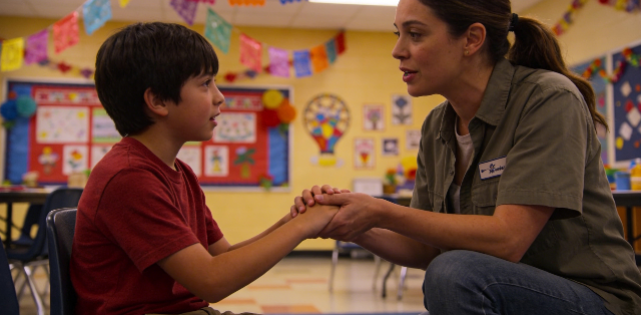
For school-age kids, 7 to 12 years old. They understand more, so don’t hide the details. Tell them about the treatment—“I’ll go to the doctor sometimes to get medicine that kills the bad cells. It might make me tired, so I might not be able to play with you as much, but I’ll always have time to read you a story at night.” Tell them about the changes—“My hair might fall out, but it will grow back. You can help me pick out a pretty scarf if I want one.” Be honest, but don’t overwhelm them. And let them ask questions—even the hard ones. I once had a 10-year-old boy ask, “Will you die, Tía?” My throat got tight, my hands shook a little. I knelt down, held his hands, and said, “I don’t know yet, mijo, but I’m fighting as hard as I can. And you’re not alone—we’re all here with you.”
For teenagers, 13 and up. They’re almost adults, so treat them like it. Be fully honest—tell them about the type of cancer, the treatment plan, the possible side effects, even the prognosis. Don’t sugarcoat it. They can handle it, and lying to them will only make them angry, make them feel like you don’t trust them. I had a 14-year-old girl, her mom was scared to tell her the truth. When the girl found out, she cried—not because of the cancer, but because her mom didn’t trust her. “I’m old enough to help,” she said. So talk to them, ask for their input, let them be part of the journey. It helps them feel in control, not helpless.
And querido, some things you should never do. Never lie—“I’m going on a trip” “It’s just a cold.” Lies, when they’re uncovered, hurt more than the truth. The child will feel betrayed, like you didn’t trust them with your pain. And never force them to talk, never force them to be strong. If they want to cry, let them cry. If they want to be quiet, let them be quiet. Give them space, give them time. They’ll come to you when they’re ready.
Also, in our Latino families—talk to the abuelitos first. Some of them think we’re hurting the kids by telling them, but we’re not. We’re giving them the truth, giving them security. Sit down with them, explain why it’s important, let them help. They love the kids too, they’ll understand.
I was at our community mutual aid event last week—so lively, so full of life. Parents were talking, sharing tips, kids were playing, laughing. I was passing out the bilingual manuals, my feet hurt from standing so long, but when I saw a mom read the manual, then hug her daughter and say the words we practiced? My heart felt light, like a weight was lifted. Then a volunteer turned on some Latin music—loud, happy, I stopped for a second, tapped my foot, smiled. That’s what we need, right? Joy, even in the hard times.
We’ve helped dozens of families have this hard conversation now. And you know what I learned? Kids are stronger than we think. They don’t need perfect words—they need honesty, they need to feel safe, they need to know they’re not alone. And we, as parents, we need to be kind to ourselves too. It’s okay to be scared, it’s okay to cry. If we can’t accept our own vulnerability, how can we expect our kids to?
No matter what language you speak, the determination to fight cancer is universal. That’s our mantra, right? It’s true for us, and it’s true for our kids.
Join our mutual aid network—here, you’re not alone. We fight cancer together.(In English: Join our mutual aid network—here, you’re not alone. We fight cancer together.)
Our bilingual support line: 555-123-4567 (Spanish and English, available 9am-7pm). Our community center address: 123 Main Street, Austin, Texas—we have weekly mutual aid meetings, bring your kids, we have activities for them too.
I just handed a manual to a new mom, her hands shaking, her eyes full of tears. She smiled at me, whispered “gracias,” and walked over to her little boy, who was playing with crayons. I was about to sit down, to rest my tired feet, when I saw the printer—still jammed. Ugh, okay, one more thing. Let me fix that, then I’ll be right there, mi vida. We’ve got this.