Select a cancer type to learn about TCM approaches and supportive care options
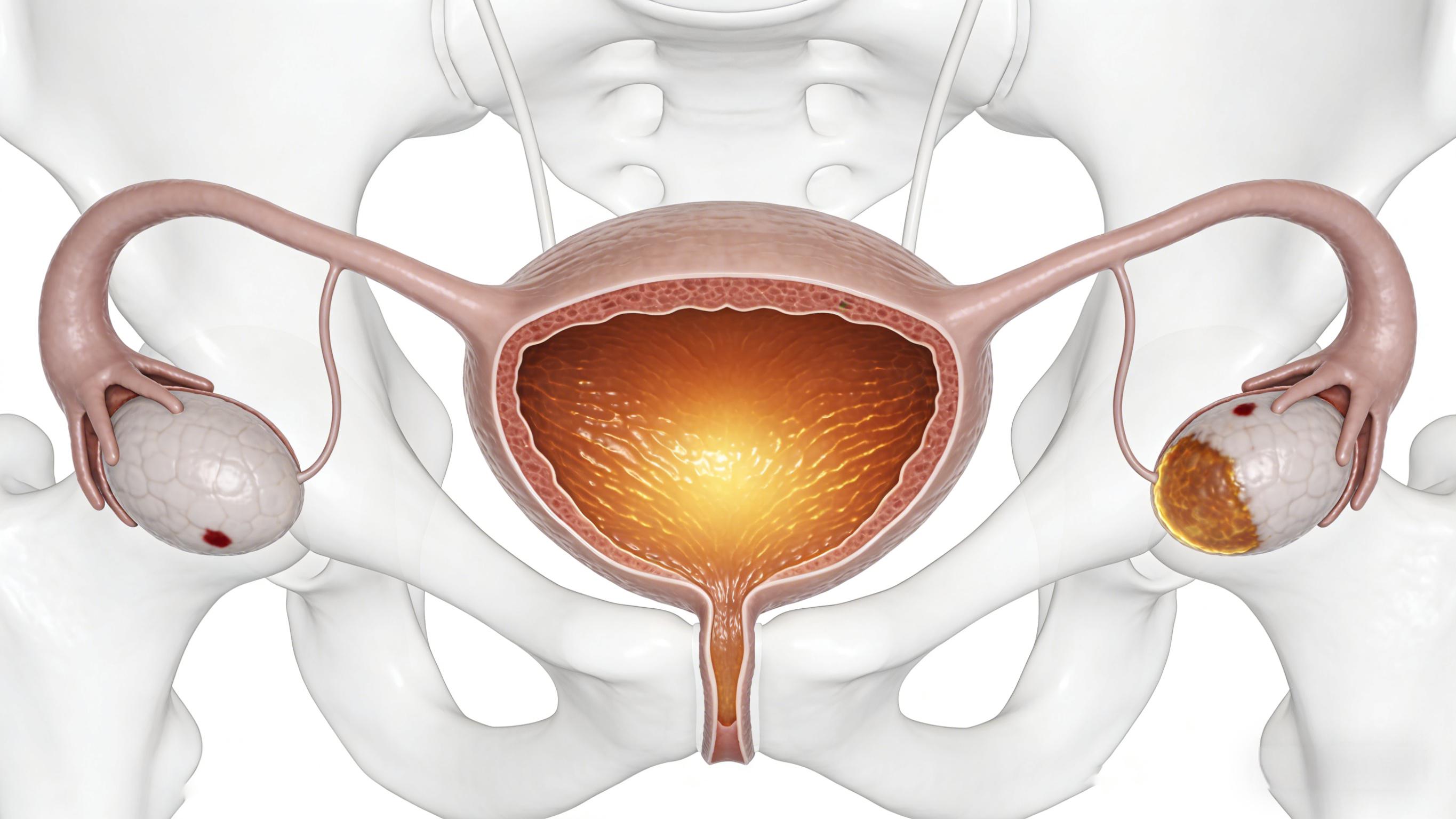
Bladder cancer is a type of cancer that begins in the cells of the bladder, which is part of the urinary system. It can develop in different parts of the bladder and may spread to other areas of the body.
In traditional Chinese medicine (TCM), bladder cancer may be viewed as a condition related to imbalances in the body's qi, blood, and fluids, often associated with dampness, heat, or stagnation. TCM approaches may focus on supporting the body's natural balance and reducing symptoms.
Track your emotional well-being with our daily wellness tracking
Herbal remedies may be used to support overall well-being and manage symptoms. They should not replace conventional medical treatment.Always consult a qualified healthcare provider before using any herbal products.
Acupuncture may be used to help manage symptoms and improve quality of life. It should be performed by a licensed practitioner.
A balanced diet may help maintain strength and support the body during treatment.
Qigong practices may help improve energy flow, reduce stress, and promote relaxation.
Explore traditional Chinese medicine approaches that complement modern cancer treatments
Natural remedies using traditional Chinese herbs to support your immune system
Ancient technique to restore energy flow and promote healing
Personalized nutrition plans based on TCM principles
Gentle movements to cultivate vital energy and inner peace
Mind-body practices to address emotional well-being
Daily habits and practices to support your healing journey
Read inspiring stories from cancer survivors who have found hope and healing through integrative approaches

"As a pharmacology professor with 20 years of research experience, I aim to clarify the confusion surrounding three major immune cell therapies—CAR-T, TIL, and NK. Based on 8 clinical studies in 2026, this blog uses plain language and real clinical data to compare their mechanisms, applicable populations, treatment effects, and key differences. It also addresses common pitfalls and provides a practical selection matrix, helping cancer patients avoid wrong choices and emphasizing that "safety is the first premise of comprehensive treatment.""

"As a 7-year lymphoma survivor and a PhD candidate at the University of Sydney, I’ve navigated the pitfalls of cancer rehabilitation nutrition—over-restricting my diet out of fear and over-supplementing with unproven products that harmed my body. This blog debunks the biggest nutrition myths for cancer survivors, shares 2026’s latest science-backed research, and introduces my actionable “Nutrition Traffic Light” plan. From my 20-pound weight loss struggle to the day my energy surged back, I’m here to prove: rehab nutrition isn’t magic—it’s science, and it’s achievable for every survivor."

"As a 62-year-old senior insurance claims adjuster and caregiver for my wife with colorectal cancer for 5 years, I’m here to break down the costs of im munocell therapies (CAR-T, TIL), interpret 2026 medical insurance policies, and share practical financial planning tips. Many families are confused and anxious about these high-cost therapies—afraid of overspending but unwilling to give up hope. This blog uses my real experience to help you calculate costs clearly, avoid traps, and make rational decisions to protect both your loved one’s health and your family’s finances."
Take the first step towards comprehensive cancer care with our personalized support programs
