I’ve clocked seven years as an oncology nutritionist here in Seattle, and I’ve sat in so many exam room chairs with patients—right beside them, not across the desk—through every ugly, raw part of chemo. Nausea that won’t quit, fatigue that weighs heavier than any weight, taste buds that turn favorite foods into something unrecognizable. But there’s one side effect that cuts sharper than all the rest: losing your hair.
I don’t say this as a professional talking from a textbook. I say it because I’ve watched a 34-year-old teacher run her fingers through clumps of hair in the sink, freeze, and then quickly wipe the sink clean so her kids wouldn’t see. I’ve heard a dad whisper that he didn’t want his little girl to be scared of his bald head. Hair isn’t just hair for us, not really. It’s the part of you that still feels “normal” when cancer has turned every other part of life upside down. And when it falls out? It feels like you’re losing control of the last little piece of yourself.
Here’s the thing no one warns you about enough: when your dignity slips, your appetite follows right behind it. That’s the quiet link between Cancer Patient Nutrition and healing that most medical guides skip over. Nutritional Support During Cancer Treatment isn’t just about hitting protein goals or getting enough vitamins—it’s about giving your body and your heart something soft to hold onto when everything else feels harsh.
Let’s talk scalp care first, because this isn’t about “fixing” hair loss—it’s about being gentle to a scalp that’s going through so much. I used to recommend fancy products early in my career, but I learned fast: less is way more. Ditch the scented shampoos, skip the hot water, and pat your scalp dry with a soft cotton towel—never rub. A drop of chamomile oil, warmed just a little, massaged in super gently, can soothe that tight, sensitive feeling better than any expensive treatment. No scrubbing, no heat, just softness.
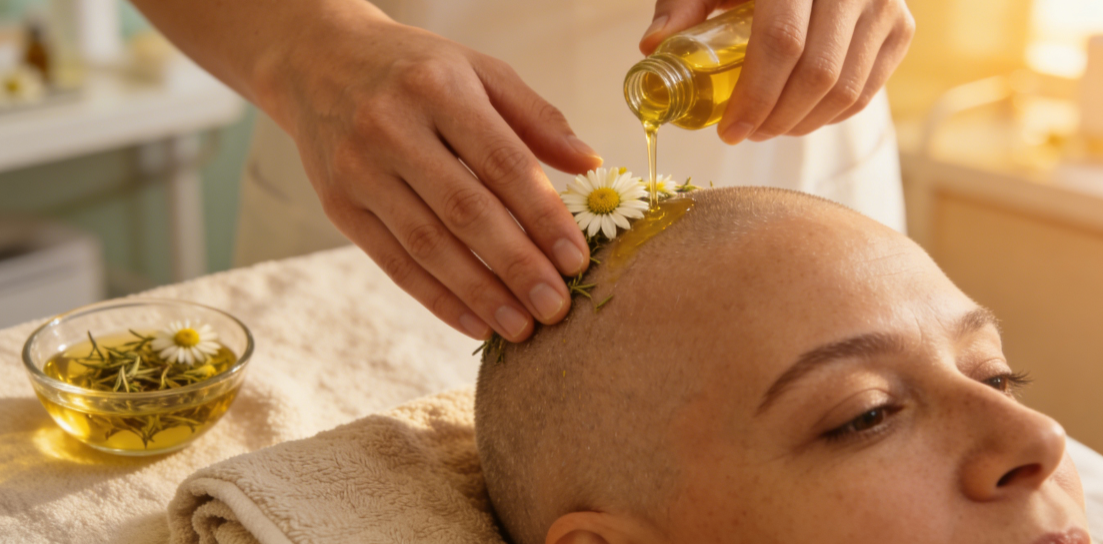
Now wigs. Oh, I’ve heard so many patients say they feel “fake” or “like they’re wearing a costume” and I get it—completely. Forget the “perfect” wig that looks like a magazine cover. Pick the one that feels light, doesn’t itch your scalp, and makes you think “that’s me” when you glance in the mirror. Some days I wear soft linen scarves to my support groups, and some days I prefer a cap—dignity isn’t about looking polished. It’s about not feeling exposed, about choosing what makes you feel safe.
And let’s circle back to food, because this is where I live and breathe this work. When you’re too drained to care about much else, Easy-to-Digest Meals and Comfort Food for Cancer aren’t just “nutrition”—they’re a tiny act of rebellion against the hard days. Warm oatmeal mashed with a little honey and berries, a smooth carrot and potato puree, a cold protein smoothie that doesn’t make you nauseous just smelling it. These aren’t fancy meals, but they’re consistent. They’re something you can manage, even on days you can’t get out of bed. And that consistency? It’s how you start taking back control.
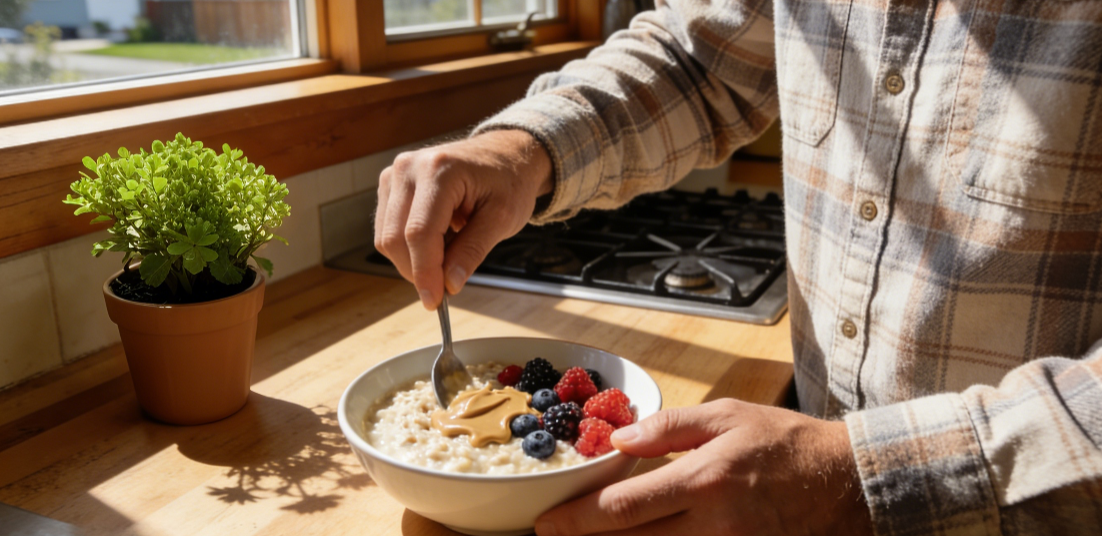
I think about Lila, a patient I worked with last year, all the time. She shaved her head alone in her bathroom, locked the door, and didn’t eat for two days. She told me she didn’t recognize herself, so why bother eating food she used to love? We started small—just five minutes of scalp care every night, a soft wig that matched her natural hair texture, and one tiny bowl of warm oatmeal every morning. No pressure, no rules, just small, gentle care.
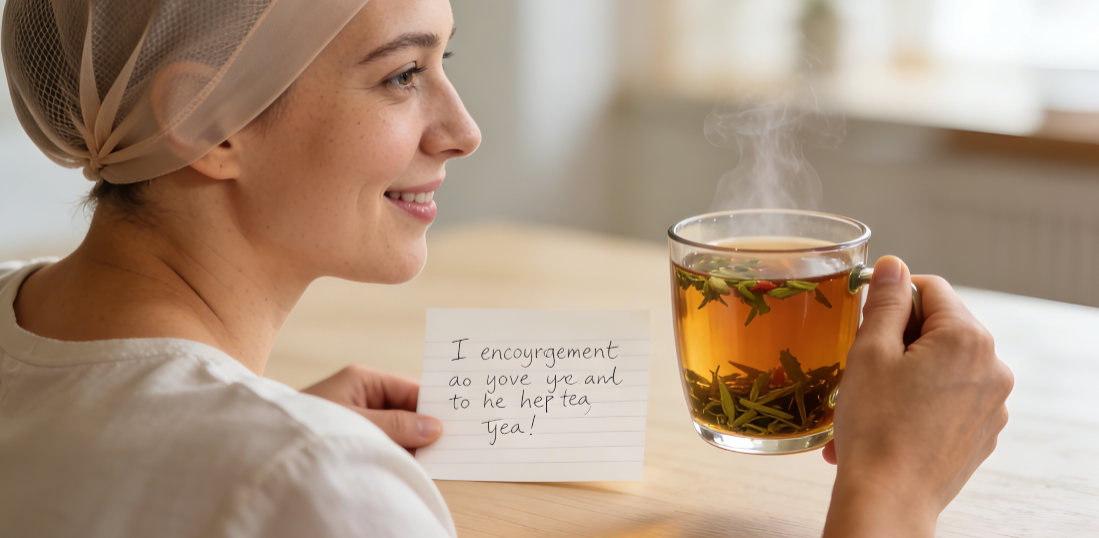
Three weeks later, she showed up to our virtual support group, wig on, mug of herbal tea in hand, and shared her story. She said that taking those five minutes for her scalp, and eating that one small bowl of oatmeal, made her feel like she was still there—still Lila, not just a cancer patient. That’s the moment dignity comes back, you know? Not when the hair grows back, but when you choose to care for yourself, even when it’s the hardest thing you’ll do all day.
To anyone reading this right now, staring at falling hair or a bald scalp and feeling broken: you are not alone. I see you. Your worth isn’t in your hair, it’s in you—the you that keeps going, even when it’s hard. Nutritional Support During Cancer Treatment isn’t just about feeding your body; it’s about feeding the part of you that feels lost right now.
If you’re stuck on scalp care, can’t find a wig that feels right, or have no clue what to eat that doesn’t make you feel sick, comment below. I don’t have all the answers, but I have years of listening and learning, and I’m right here with you.