Cancer not only requires winning back health, but also guarding our home—every penny must be spent wisely.
Tired. So tired.
Five years. Taking care of her, day in and day out. Morning meds, evening massages, sorting through medical bills until my eyes blur. My hands, with the calluses from years of filing insurance papers, now hold her thin wrist, feeling her pulse, counting the beats. Weary to the bone.
And the loneliness. Worse than the tiredness.
You know that pain? The one in your chest, heavy, like a brick. When you pick up your phone, scroll through the contacts, the ones who used to call every week, who showed up with flowers and promises—“Call me anytime, whatever you need.”
They’re gone.
First, the calls got less frequent. Then, no texts. Then, I’d see them at the grocery store, and they’d look away, hurry past. Like we’re contagious. Like our life, tangled up in chemo and meds and doctor’s appointments, is something to avoid.
Wait, he didn’t answer? Last month, he said he’d help me move the wheelchair. This month, radio silence? Did I do something wrong? My fingers grip the phone so tight, knuckles white, eyes stinging from staring at the screen too long. Chemotherapy once, almost took half our savings. I’m too tired to fight, too tired to chase people who don’t want to stay.
Angry, too. For a while. Five years of friendship, gone because of a disease. I wanted to call them, yell, ask why. But then—she called. From the bedroom. “Honey, meds.”
Right. Her first. I dropped the phone, hurried to her. Forgot the anger, forgot the hurt. She needed me more than I needed answers from people who didn’t care.
Truth is, I was so busy mourning the friends who left, I didn’t notice the ones who stayed.
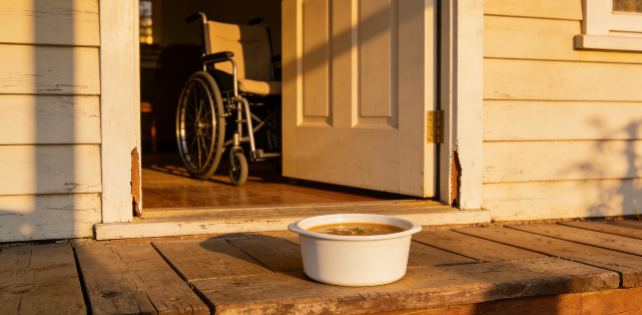
The neighbor next door. Mrs. Henderson, 70-something, widowed herself. She doesn’t knock, just leaves a container on the porch—soup, casserole, sometimes a loaf of bread. No fanfare, no “let me know if you need anything.” Just food, warm, for when I’m too tired to cook. Once, I burned the pot while I was sorting insurance claims. Smelled the smoke, panicked. She was at the door in two minutes, holding a plate of pasta, saying “I heard the fire alarm. Eat first, worry later.”
My colleague, Mark. He doesn’t call often, but when I text him at 2 a.m., stressed about a denied insurance claim, he calls back. Every time. “James, let’s go through it step by step. Smart anti-cancer means spending every penny wisely—we can’t let them take more than they should.”
My sister. She lives two hours away, but she drives over every Sunday. Cleans the house, does the laundry, sits with her while I nap. Doesn’t complain, doesn’t ask for anything in return. Just holds her hand, talks about old times.
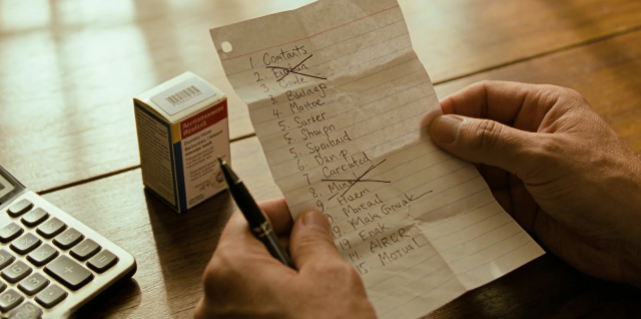
I was sorting medical bills last week—piles of papers, receipts, insurance forms. My notebook open, calculator in hand. Trying to make sure we don’t miss a single claim, not a single penny. Then, the cat jumped on the table, knocked over a pen. I stared at it for a second, smiled. Suddenly, it hit me.
The people who stay? They’re not the ones who made big promises. They’re the ones who show up, quietly, steadily. The ones who don’t mind the mess, the meds, the long silences. The ones who understand that caregiving isn’t glamorous—it’s tired, it’s messy, it’s endless.
I used to think I needed a lot of friends, a big circle. Like that would make this easier. But no. Cancer is a filter. It sifts out the ones who are there for the good times, leaves the ones who are there for the hard ones.
Smart anti-cancer means spending every penny wisely. It also means spending every bit of your energy wisely. Why waste it on people who don’t care? Why feel guilty for letting go of relationships that drain you?
Caregiving isn’t about being perfect. It’s not about having a lot of people around you. It’s about being steady. It’s about focusing on what matters—her, the bills, the small moments of peace. And the people who stand with you through it all.
I made a list, in my notebook. The ones who stayed. Mrs. Henderson, Mark, my sister. A short list, but a good one. I was about to close the notebook, pen in hand, when I heard her cough. Soft, weak.

Forgot the list. Got up, walked to the bedroom. She was sitting up, eyes half-closed. I sat next to her, held her hand. Rubbed her back, slow, gentle. Like I do every night.
The list can wait. The people who matter? They’re right here. And that’s enough.
I pulled the blanket up around her shoulders, kissed her forehead. She smiled, soft, tired. Outside, the cat meowed. I looked at her, then at the window. Tired, but not broken. Steady. Because the ones who stay? They make it worth it.