When I was 19, cancer tried to steal my youth, but I won.
Mates, let’s cut to the chase—if you’re a cancer survivor or know someone who is, I bet you’ve heard the same garbage a hundred times: “Don’t eat this, it’s a irritating food!” “Load up on these supplements, they’ll cure everything!” I’ve been there. 7 years post-lymphoma diagnosis, and I’ve made every mistake in the book. The worst part? Most of us fall into two deadly traps: we either over-restrict everything out of fear (malnutrition, hello!) or over-supplement like it’s going out of style (hello, liver and kidney strain). It’s like we’re all trying to navigate a maze with a blindfold on, and someone keeps moving the walls.
We are not a vulnerable group. We are pioneers who grasp the meaning of life early.
I remember the first time I bought into the “irritating food” nonsense. It was 2019, right after my first post-chemo checkup. My cousin dropped by with a chicken soup, and I flat-out refused it—“No way, chicken’s a irritating food, it’ll make the cancer come back!” I cut out all meat, all dairy, all grains. Just plain rice and steamed veggies. Fast forward two months: I’d lost 20 pounds. Climbed two flights of stairs and was gasping for air. My PhD supervisor asked if I was okay during our lab meeting. I looked in the mirror, and I looked empty. Like a shell of the guy I was before cancer. That’s when I thought: wait, what the hell am I doing? I’m supposed to be fighting cancer, not starving myself to death.
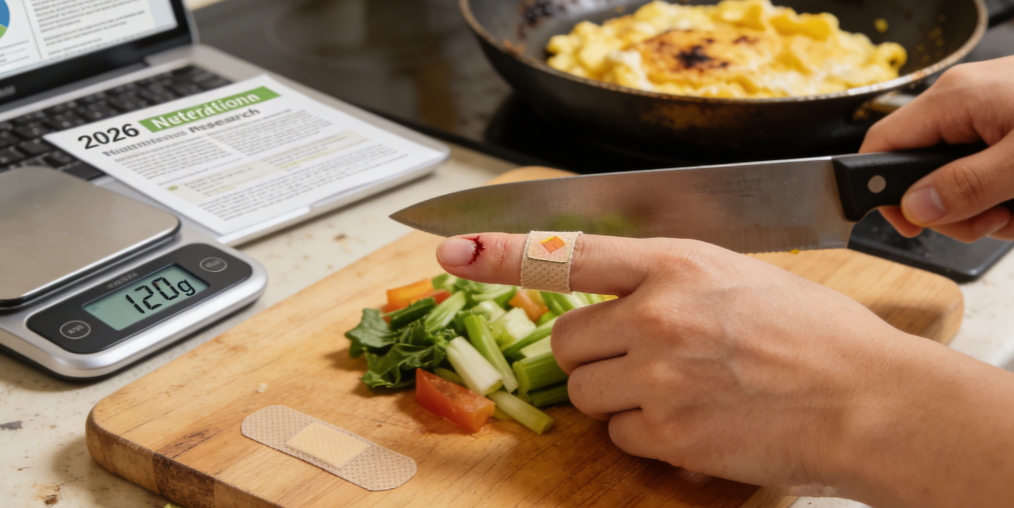
I was in the middle of prepping my “recovery meal” that day—some sad, mushy broccoli and rice—when my phone buzzed. It was my supervisor’s email, reminding me about the lab presentation next week. I paused, grabbed my phone, and replied while still holding the knife. Then I went back to chopping, and suddenly it hit me: why was I listening to random aunties on WeChat instead of actual science? That’s when I decided to dig into the research myself.
Turns out, correcting these myths is way harder than I thought. I tried to tell my roommate, a fellow survivor, that chicken was fine—he just shook his head and said, “My grandma said no chicken, ever.” I talked to a group of survivors at the hospital, and half of them were popping 10+ supplements a day, convinced it was speeding up their recovery. I’d leave those conversations feeling defeated. Like, how do you fight a myth that’s been passed down for generations? How do you make people listen to science over “old wives’ tales”?
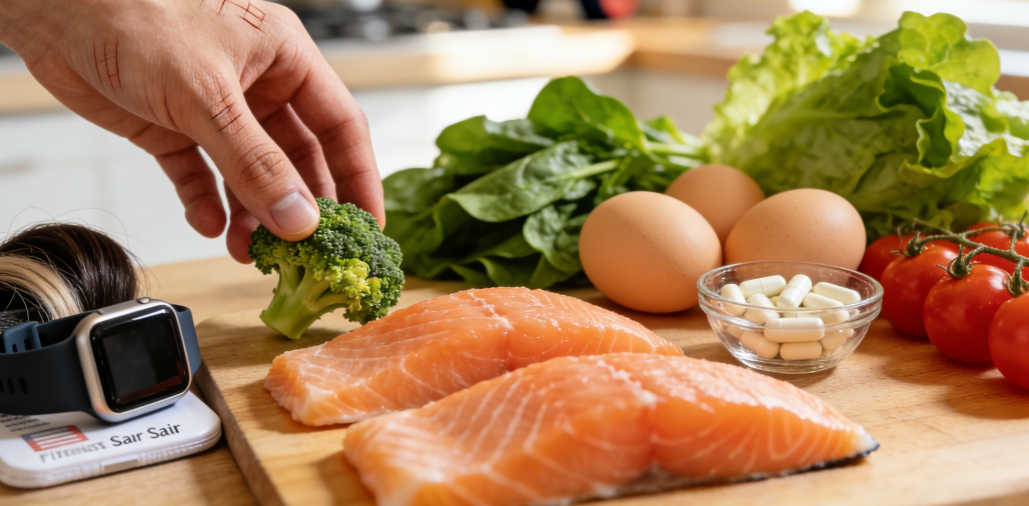
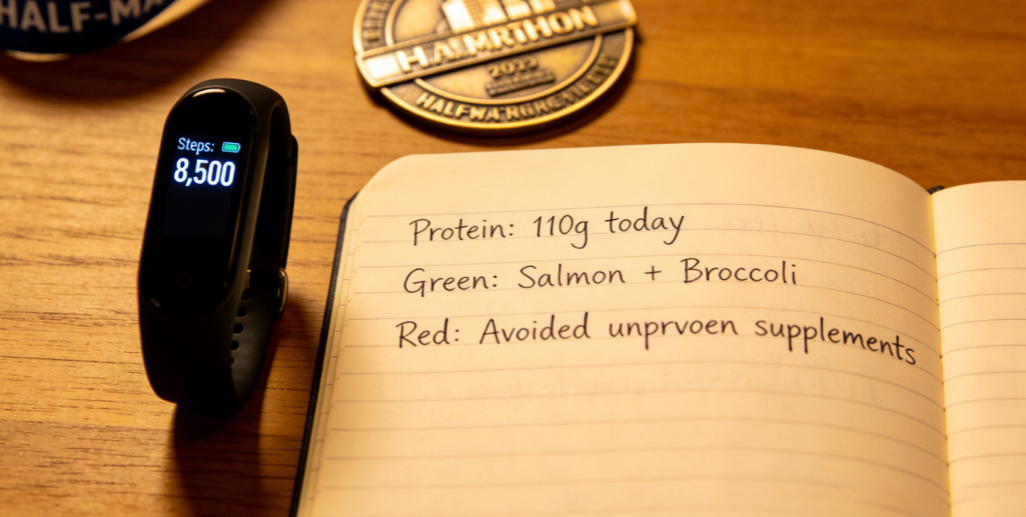
Then I did what any PhD student would do—hit the libraries and scoured the latest journals. And wow, was I shocked. The 2026 World Cancer Research Fund (WCRF) nutrition report for cancer survivors? It completely debunked the “no irritating food” myth. There’s no scientific evidence that any food triggers cancer recurrence. Zero. Nada. Zip. The report also highlighted a game-changing finding: daily protein intake of 1.2-1.5g per kg of body weight is critical for retaining muscle mass during rehab. I’m 83kg, so that means I need 100-125g of protein a day. That’s not a lot—just a piece of salmon, two eggs, and a cup of Greek yogurt. I also found that antioxidant supplements in excess can interfere with chemotherapy drug metabolism—so popping random pills is just asking for trouble.
That’s when I cooked up the Rehab Nutrition Traffic Light plan. Simple, no fancy jargon, just doable.
✅ Green Zone: Eat these daily—lean meat (chicken, fish, beef), eggs, Greek yogurt, tofu, fresh veggies, and fruits. These are your muscle builders, your energy givers. No exceptions.
⚠️ Yellow Zone: Eat these in moderation—processed foods (sausages, chips), high-sugar snacks, refined carbs. Occasional is okay, but don’t make them a staple.
❌ Red Zone: Avoid these like the plague—unverified supplements, extreme fad diets, and any food that someone claims is a “cancer cure.” These are the ones that’ll tank your recovery.
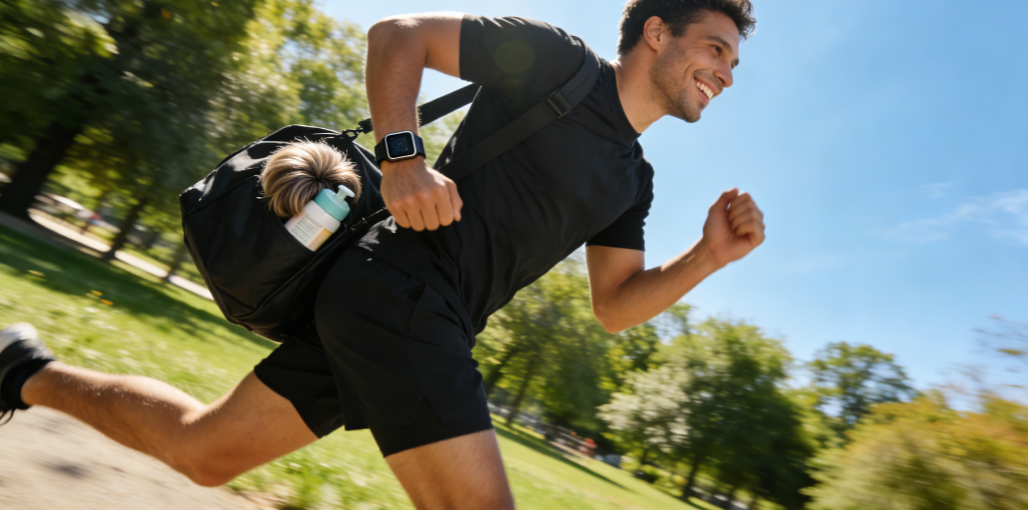
I started following this plan, and guess what? The scale started going up (in a good way). My energy came back. I could climb three flights of stairs without huffing. I even signed up for a half-marathon last year and finished it. Now, my physical stats are better than they were pre-cancer. That’s the power of science, not superstition.
Let me drop some hard truths, folks. First: don’t believe the “no irritating food” lie. It’s just fear talking. Your body needs protein to heal—cutting it out is like trying to fix a car without oil. Second: don’t stack supplements like they’re candy. Most of us don’t need more than a multivitamin (and even that should be approved by your doctor). I know a guy who took 8 supplements a day and ended up with elevated liver enzymes—that’s over-supplementing at its worst.
I was in the kitchen prepping my post-run smoothie the other day—spinach, banana, protein powder, almond milk—and I cut my finger on the blender blade. Blood beaded up, stung like hell, but I just grabbed a band-aid and kept going. Because I know now that every small, smart choice I make is a win against cancer. Every time I choose a piece of fish over a useless supplement, I’m taking back control.
I just finished logging my week’s nutrition data in my journal, staring at the green checkmarks next to every meal, the yellow notes for the occasional chips, and the red cross next to the untested supplement I tossed last month. I’m about to close the journal and grab my gym bag—wait, my wig care kit is still on the counter. Gotta grab that too.
Never let a hospital bed cage your dreams. As long as your heart beats, our future is full of endless possibilities.